|
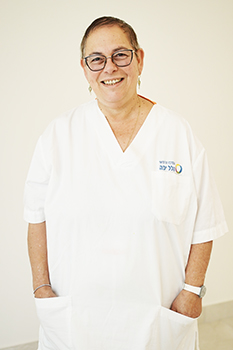
Orna Greenberg |
The Israeli summer, along with the high temperatures it brings, challenges us all. Breastfeeding mothers are no different than anyone else, but their bodies have important needs that must be met.
Orna Greenberg, Head Nurse of the Maternity Department at Hillel Yaffe Medical Center and certified lactation consultant, shares five tips worth adopting:
-
Maintain increased fluid intake throughout the day - A breastfeeding woman needs to drink at least two liters of water a day, because breast milk is primarily made up of water, which means the mother may become dehydrated. When it's hot and you're sweating, it's important to drink even more than this. Therefore, you should always have a water bottle within reach while breastfeeding, and drink as needed. This will help maintain milk quality and your personal sense of well-being.
-
When you breastfeed – do so in a shaded or cool area - Breastfeeding takes time, and when it's hot and you're sweating, you lose more fluids, so you should minimize it as much as possible. Staying in a shaded or cool place (or both) is advisable. Try to stay in an air-conditioned or well-ventilated area. Wear light, airy clothing, and dress your baby the same way – a simple action that can provide relief and prevent excessive sweating.
-
Don't skip meals – nutrition is critical - Regular eating is critical while breastfeeding to ensure ongoing normal milk production. It's important to eat regularly and not skip meals. Breastfeeding burns 400-600 calories per day, but is not a substitute for dieting, especially if you want to continue breastfeeding. When it's very hot, the body works harder during breastfeeding. It's important to maintain normal body temperature to produce quality milk.
-
Recognize your baby's increased needs - Even if your baby suddenly demands more frequent nursing – it’s only logical and natural. Don't forget that if you're breastfeeding, certainly until six months of age, it’s the only nutrition your baby gets. A breastfeeding baby does not drink water. When it's hot out – it's only natural that you will need to breastfeed more frequently because your baby is also hot and thirsty.
-
Keep an eye out for signs of dehydration in your baby - This mainly means monitoring the color and frequency of your baby's urine: Dark yellow urine is a sign that the baby isn't getting enough fluids. Make sure you change diapers at least six times a day, and that the color of your baby's urine is light. Signs such as flushed skin, rapid breathing, cracked lips, drowsiness, lack of responsiveness and more may also indicate fluid deficiency.
"Throughout history, women have breastfed under all kinds of conditions," said Orna Greenberg. "Breastfeeding this summer, which is prolonged and hotter than usual, isn't mission impossible, and to the contrary, it may be more convenient and accessible for the mother. Remember: your body knows how to cope with the heat and produce milk adapted to your baby's needs. Believe in yourself and listen to your body – that's the main thing.”






.jpg?BannerID=39 "youtube channel")