The seminar, titled "Junctions and Transitions Between Hospitalization and Community in Psychiatry," was a resounding success, drawing warm and heartfelt feedback from both staff and family members. The event, attended by more than 120 staff members, individuals living with mental illness and their family members, was held with the goal of strengthening continuity of care between hospitalization and the community, and of fostering both knowledge and deep emotional understanding of the experience of psychiatric hospitalization from the ground up.
Opening remarks were delivered by Dr. Idan Amshalom, Director of the Mental Health Division at Hillel Yaffe; Rotem Bar Shalom, Professional Director of the Yahel Centers; Aliza Gross, Secretary of the Yahel Center Hadera; and Presi Adiri, the Ministry of Health representative responsible for family affairs. All the speakers addressed the importance of involving family members in the care of individuals with mental illness, alongside care providers, and in every area where doing so could improve outcomes for all parties involved.
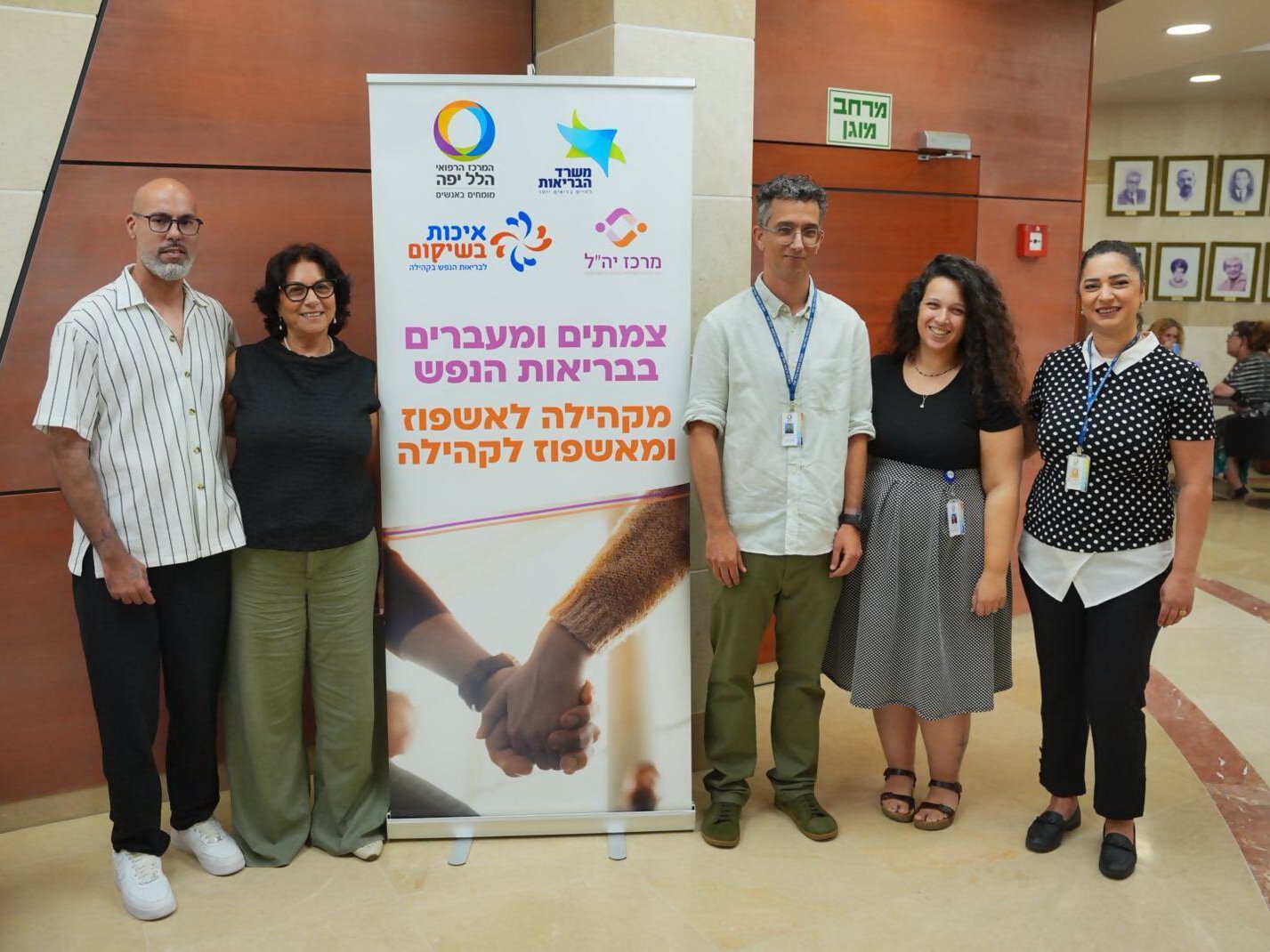
A professional seminar held by Hillel Yaffe Medical Center in collaboration with the Yahel Center Hadera
The professional content presented during the day, overseen by Ido Sulam, Director of the Yahel Center Hadera, and Noy Shriki, a social worker with the Mental Health Division at Hillel Yaffe, included fascinating lectures on the significance of hospitalization and care transitions for the family members who support their loved ones. Additional talks were given by Tami Kaufman, one of the founders of the Yahel Centers, and by Rika Bar Or, who shared her personal mental health journey and spoke from her own perspective about the importance of the transitions between hospitalization and community.
A significant portion of the day was dedicated to the collaboration with the Yahel Center. Under the current model, in which families are referred to receive support at the Family Center (both during hospitalization and following discharge), both the individual and their family receive ongoing support, creating a genuine bridge and connection between hospitalization and the community.
Everyone in attendance agreed that the seminar opened new opportunities for the future and generated ideas for expanding the various collaboration interfaces, such as establishing joint family support groups and creating additional working interfaces even while the individual is hospitalized.
The day concluded with a resource fair, showcasing services offered as part of the "Rehabilitation Basket," such as housing and employment support services. This served as a fitting and meaningful closing, tying together the threads of the entire seminar in a complementary way. The fair attracted family members who had attended the seminar, as well as patients from the department who were invited to learn firsthand about the many options available to them in the community.






.jpg?BannerID=39 "youtube channel")